From Angel Investing to Institutional Capital: How Auxxo Built a European VC Fund

Auxxo Female Catalyst Fund co-founder Gesa Miczaika shares candid lessons on raising a European VC fund, working with family offices and securing institutional LPs.
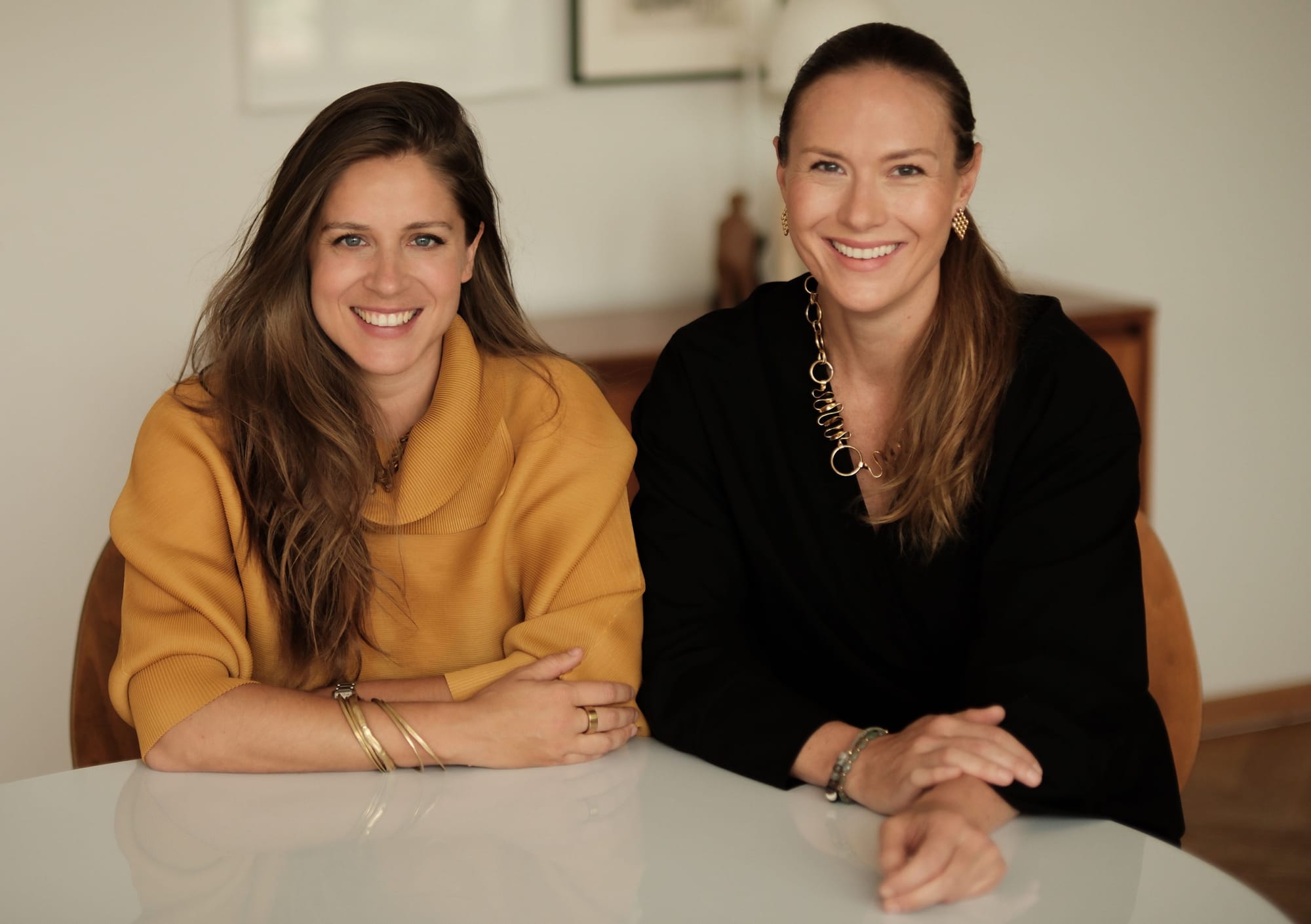
Raising a venture fund is rarely linear. Raising one with a clear mission, in a cautious LP market, is even harder.
In this episode of How I Raised It, Gesa Miczaika, co-founder of Auxxo Female Catalyst Fund, shares what it really took to evolve from angel investing into a multi-fund VC platform backing female-founded startups across Europe.
The conversation is a candid look at what emerging managers often learn the hard way: why Fund II is tougher than Fund I, how family offices actually behave, what institutional diligence really looks like, and why staying true to your investment instincts matters more than fitting into the VC mold.
From Angel Investing to a Purpose-Built VC Fund
Auxxo did not start as a traditional venture fund.
The founding team began by angel investing together, using a small pooled vehicle as a way to test both their working relationship and their investment instincts. That early vehicle became a proving ground. Without a formal gender mandate, roughly 70 percent of their angel investments ended up backing teams with at least one female founder.
The pattern was hard to ignore.
VCs were grateful for high-quality, diverse deal flow. Founders were grateful for second looks after early rejections. What started as an experiment revealed a structural gap in the market.
That gap became Auxxo’s mission: back exceptional female founders in Europe at the earliest stages, while remaining disciplined.
Fund I Was Fast. Fund II Was a Grind
Auxxo’s first institutional fund closed in 2021 at €19M. The timing helped. Capital was abundant, the team had strong angel credibility, and early LPs included well-known GPs and successful operators.
Fund I came together in roughly six months.
Fund II was a different story.
Macroeconomic shifts, political noise around diversity, and a colder fundraising environment turned the second raise into a multi-year process. Hundreds of pitches, countless rejections, and moments where walking away felt tempting.
The key insight Gesa shares is an important one for emerging managers:
Fund II tests conviction more than Fund I.
When the market stops rewarding the narrative, only clarity and persistence remain.
LP Construction in Europe Comes with Real Constraints
One challenge specific to Germany is regulation.
Auxxo could only accept LPs writing tickets of at least €200,000. That immediately narrowed the pool. Friends-and-family fundraising was not an option. The team had to build a real pipeline from scratch.
Their approach was methodical:
- Every LP meeting ended with requests for introductions
- Every yes unlocked five more conversations
- Roughly half of Fund I LPs were complete strangers at the start
This slow, referral-driven process became the foundation of the fund.
Cracking Family Offices: Diligence, Patience, and Legwork
Family offices became a key LP segment in Fund II, and Gesa is blunt about the reality.
They are hard to find. They do not want to be found. And they move carefully.
Unlike high-net-worth individuals, family offices:
- Review track records line by line
- Expect written documentation, not just verbal explanations
- Ask detailed questions about sourcing, geography, and decision-making
- Require trust built over time, not one-off pitches
One tactical tip Gesa shares is using public investor registers in Germany and the UK to identify who has invested in other funds. In Germany, this often means searching the Handelsregister (commercial register). These registers do not provide contact details, but they give names that can be unlocked through networking.
The real work, though, is relational. Family offices expect discretion, double opt-ins, and long-term engagement and relationship building..
Institutional Capital Changes the Game
A major milestone for Auxxo’s second fund was securing the European Investment Fund (“EIF”) as an anchor LP.
The EIF process was extensive:
- Deep track record analysis
- GP interviews conducted separately
- Founder reference calls
- Team dynamics assessments
- A long, formal diligence timeline
What mattered most was not the mission alone, but evidence of disciplined execution. The team’s consistency, credibility, and operational rigor ultimately earned conviction.
For emerging managers, this is a useful reality check. Institutional LPs care deeply about alignment, but they commit based on demonstrated professionalism.
A Fundraising Mistake Gesa Would Not Repeat
One of the most honest parts of the conversation is Gesa’s reflection on how Fund II was raised.
The team divided fundraising responsibilities and tackled the process separately. On paper, it seemed efficient. In practice, it was isolating.
Fundraising became lonely, draining, and disconnected from the collaborative energy that originally built the firm.
If she were to do it again, Gesa would raise collaboratively:
- Treat fundraising like a shared project
- Maintain constant alignment between partners
- Protect energy and morale throughout the process
LPs pick up on energy. A lot of fundraising is emotionally driven.
Staying True to Your Investment Instincts
Perhaps the most valuable lesson comes at the end.
After launching their first VC fund, the Auxxo team realized they had drifted away from what made them successful angels. They started thinking too much like traditional VCs instead of trusting their own instincts.
Over time, they corrected course.
Their strongest investments came from trusting their own judgment, even when it did not match prevailing VC preferences. Follow-on considerations matter, but they should not override conviction.
For emerging managers, this is a powerful reminder. Differentiation does not come from copying incumbents. It comes from investing with clarity and integrity.
Final Takeaway for Emerging Managers
Auxxo’s journey underscores several truths about building a fund in Europe:
- Family offices require depth, patience, and trust
- Institutional LPs reward rigor and discipline, not just narrative
- Fundraising works best as a team effort
- Long-term success comes from staying true to your investing instincts
For managers building purpose-driven funds in challenging markets, Gesa Miczaika’s experience is a reminder that conviction, collaboration, and discipline matter more than timing.