How Nisha Dua Launched BBG Ventures: Lessons for Emerging Fund Managers

Nisha Dua explains how she raised capital for her VC fund BBG Ventures, from early proof-of-concept funds to institutional capital, with lessons on LP relationships, fundraising process, and building a long-term fund.
Raising a venture fund looks straightforward from the outside.
Define a thesis. Build a deck. Talk to LPs. Close capital.
In practice, it’s slower, more relational, and far less linear.
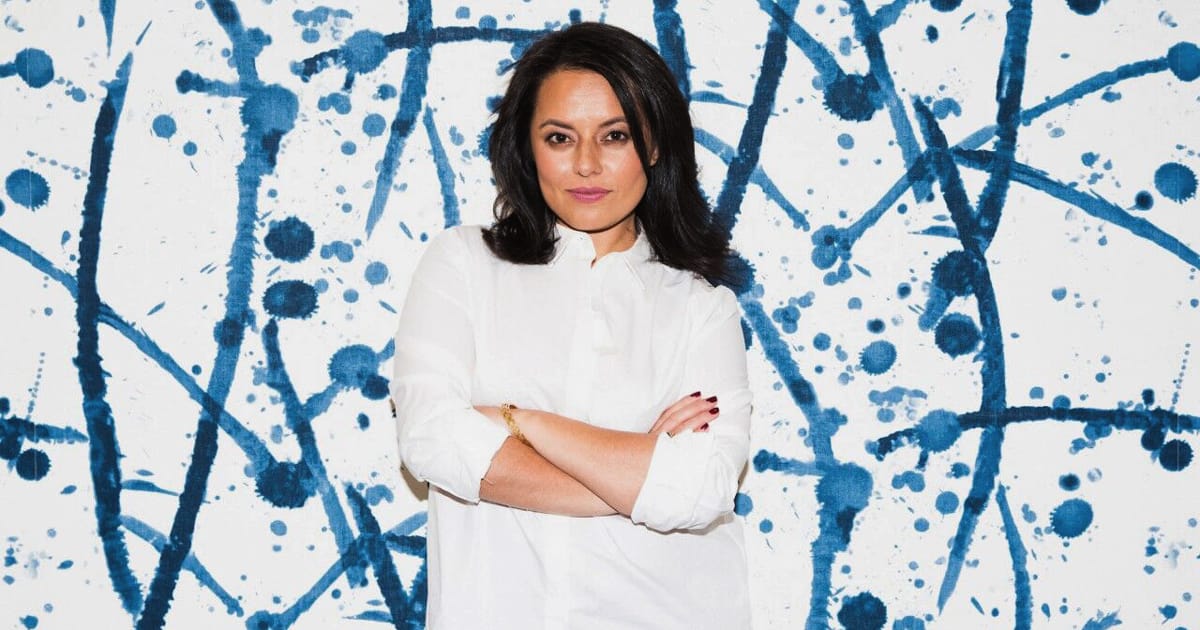
Nisha Dua’s journey building BBG Ventures is a good example of that. It didn’t start with a traditional fundraise. It started with proof-of-concept capital, evolved into an institutional fund, and then expanded into a broader LP base over time.
That path highlights something many emerging managers underestimate.
Fundraising for a venture fund is not just about convincing LPs. It’s about building a long-term asset management business.
1. Your First Fund Is Rarely a “Real” Fund
One of the more interesting parts of BBG Ventures’ journey is how it began.
Before raising an institutional fund, Nisha and her partner managed two smaller proof-of-concept funds backed by their former employer, AOL.
That gave them something many emerging managers don’t have early on:
- A portfolio
- A track record
- Real investing experience
But even with that advantage, moving from a single LP structure to a diversified institutional fund was not straightforward.
As Nisha describes, going from a $10M base to a $50M institutional fund still felt like starting from scratch in terms of LP relationships.
This is where many first-time managers get caught off guard.
Track record helps, but it doesn’t replace relationships.
LPs are not just underwriting performance. They are underwriting the people, the partnership, and the durability of the firm.
Lesson: Your first “real” fundraise often starts before you think it does, and relationships matter as much as track record.
2. Fundraising Is an Iterative, Not Linear Process
There’s a common playbook advice:
Build a list of 100 LPs. Run a tight process. Close quickly.
In reality, especially for first-time or emerging managers, that’s aspirational.
Nisha describes a very different process.
Instead of starting with a fully built funnel, they built it over time:
- Adding LPs gradually
- Improving materials along the way
- Refining the story through conversations
“It’s a very iterative process… you’re building the funnel as you go.”
This is an important reframing.
Unlike startup fundraising, where timelines can compress, fund fundraising often expands. Conversations that don’t convert immediately can still matter later.
Some LPs in BBG’s fund took 18 months to convert. Others took years.
That changes how you think about pipeline and timelines.
You’re not just managing a funnel. You’re building a network that compounds over time.
Lesson: Treat your fundraise as a living process, not a fixed campaign.
3. The Real Work Is Relationship Building Over Time
One of the most overlooked aspects of raising a fund is how long LP relationships take to develop.
Nisha shares an example of an LP she met during her first fundraise who only committed four years later in a subsequent fund.
That timeline is not unusual in venture.
LPs are making long-duration commitments. They want to see:
- Consistency in strategy
- Stability in the partnership
- Evidence that you do what you say you will do
That means your job is not just to pitch.
It’s to stay present.
The way she describes it is through a “halo effect”:
- Warm introductions from credible sources
- Strong first meetings
- Consistent updates over time
- Showing up in shared environments (events, conferences)
Over time, these touchpoints compound into familiarity and trust.
Another important detail is how updates are handled.
Waiting for perfect milestones slows things down. Instead, regular, clear updates, even on work in progress, help LPs build conviction.
Lesson: Fundraising doesn’t end after the first meeting. It evolves through consistent, long-term engagement.
4. You Need to Actively Derisk Yourself
At its core, raising a fund is about reducing perceived risk.
LPs are asking a simple question:
Why should we trust this team to manage capital over the next decade?
Nisha approaches this directly.
She focuses on identifying what an LP is still uncertain about and addressing it clearly.
Sometimes that means asking directly:
“What’s holding you back from taking this to your investment committee?”
The answers are often practical:
- Concerns about team stability
- Questions about strategy evolution
- Uncertainty about category exposure
Once you understand the question, you can answer it with evidence.
In one case, she had to explain how BBG evolved from being perceived as a consumer-focused fund into a broader investment strategy with B2B exposure.
That wasn’t just positioning. It was backed by actual portfolio evolution.
Another key tactic is solving the “chicken and egg” problem.
Without capital, it’s hard to prove strategy. Without proof, it’s hard to raise capital.
Some ways to navigate that:
- Warehousing deals (investing ahead of the fund)
- Angel investing to build a track record
- Securing a small initial LP to start deploying
Each of these helps demonstrate execution before full capital is raised.
Lesson: The fastest way to build conviction is to remove uncertainty one question at a time.
5. Building the Right LP Base Matters More Than Closing Fast
Closing a fund is one milestone.
Building a durable LP base is a different goal.
Nisha was intentional about this early.
Instead of relying heavily on high-net-worth individuals, she focused on building a mix of:
- Fund of funds
- Family offices with established VC programs
- Institutional investors like pensions and endowments
The reasoning is long-term alignment.
More sophisticated LPs often:
- Have clearer portfolio strategies
- Re-up across multiple funds
- Provide more consistent capital over time
This creates stability for the fund manager.
It also changes how you think about fundraising.
That’s why even in later funds, BBG continued to evolve its LP mix, adding more institutional depth while reducing reliance on individual investors.
Lesson: The right LP base compounds over time. It’s worth being deliberate about who you bring in early.
Final Thought
What stands out in Nisha’s journey is not a single tactic.
It’s the mindset.
Fundraising is an ongoing process tied closely to how you build your firm.
- Relationships take time
- Conviction builds gradually
- Strategy needs to be demonstrated, not just described
For emerging managers, that can feel slower than expected.
But it also creates an advantage.
Because the managers who stay consistent, keep showing up, and keep executing tend to build something much more durable than just a single fund.
And over time, that’s what LPs are really investing in.
This article is based on an episode of the How I Raised It podcast, a behind-the-scenes look at how startup founders and fund managers raise money.